
If you own solar panels in the Las Vegas Valley, you already know they're a solid investment. But like any investment, they need regular upkeep to keep performing well. A solid solar panel cleaning maintenance schedule is the key to maximizing your energy output and protecting your system long-term.
Here's the straightforward answer: clean your solar panels every 6 months as your baseline maintenance routine, with monthly monitoring in between to catch problems early. In our desert climate with dust, pollen, and occasional debris, you might need to clean more often depending on what's happening with your system. Let's walk through exactly what you need to do and when.
The 6-Month Cleaning Baseline
Every 6 months is the sweet spot for most Las Vegas homeowners. This keeps panels free from the dust and debris that naturally accumulate in our dry climate.
Schedule one cleaning in spring (usually April or May) to remove winter pollen and buildup, and another in fall (around September or October) to clear away summer dust and any leaves that have settled on the panels. This rhythm matches our local seasons and keeps your system operating near peak efficiency.
Why twice a year? Dirt and pollen don't just sit on your panels looking bad. They actually reduce the amount of sunlight that reaches the cells below, which directly cuts into your energy output. Over time, even a thin layer of grime adds up.
Monthly Monitoring Between Cleanings
Don't wait until your 6-month cleaning to check on your system. Use your monitoring app (most systems come with one) to track your energy production every month.
You're looking for sudden drops in output. If your panels are producing significantly less energy than they did last month, that's a sign something's wrong. Maybe you've had a dust storm, maybe birds have left droppings, or maybe there's an actual system issue. Catching these problems early means you can schedule a cleaning right away instead of losing out on energy production.
It only takes a few minutes to log in and glance at your numbers. This simple habit can save you from months of poor performance.
Spring Cleaning for Pollen Buildup
Spring in the Las Vegas Valley brings pollen from plants that bloom after winter. Your solar panels are prime real estate for pollen to stick to, especially if your system faces south or southwest.
Related: Solar Panel Maintenance Las Vegas Valley: Complete Guide
Related: Solar Panel Maintenance Tips for Las Vegas Valley Homeowners
A spring cleaning in April or May clears out this seasonal buildup before it has a chance to reduce your efficiency heading into summer, when you need your system working hardest.
Fall Maintenance for Debris and Dust
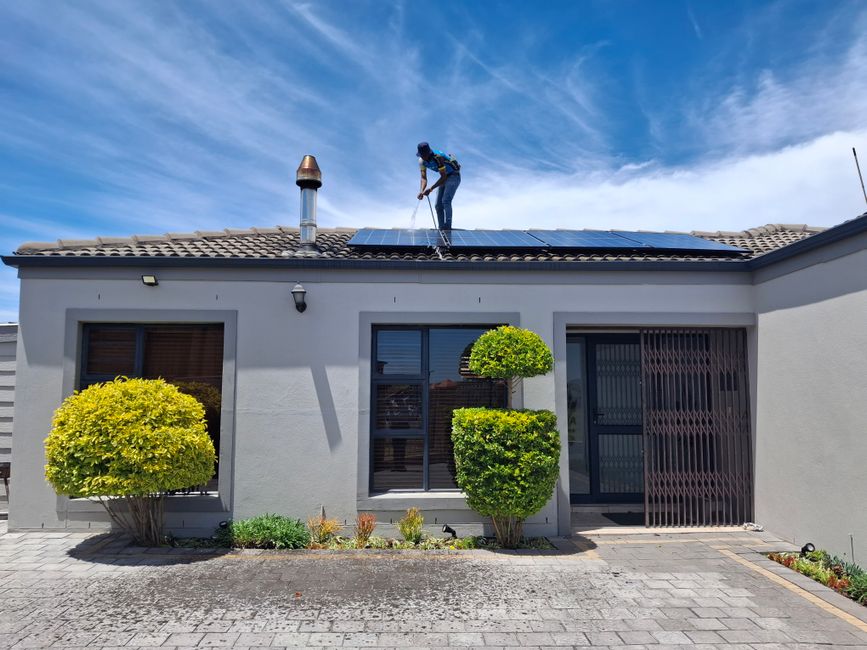
Fall is when dust from the summer heat settles, and any leaves or plant material from nearby trees end up on your roof. Even though the Las Vegas Valley is mostly desert, many homes have landscaping that sheds in fall.
A fall cleaning in September or October gets your system ready for the cooler months ahead and prevents debris from getting baked onto the glass during temperature swings.
When You Need Extra Cleaning
Sometimes 6 months isn't enough. Pay attention to these signs that your panels need an extra cleaning between your regular schedule.
- Visible dirt, dust, or debris: If you can see buildup from the ground, it's time to clean.
- After dust storms: Our desert is famous for dust storms. If one hits, check your app in a few days. If output has dropped, schedule a cleaning.
- Bird activity: If birds are roosting or nesting near your panels, you may need more frequent cleanings.
- Significant efficiency drop: If your monitoring app shows a sudden 5-10% dip in output and the weather has been clear, dirty panels might be the culprit.
Every home is different. Some folks with heavy tree coverage or in dustier areas might clean every 3-4 months. Others with open roofs and good air circulation might go 8 months without needing extra attention. Your monitoring data will tell you what your specific system needs.
Annual Full System Inspection
Beyond just cleaning the glass, you should have an annual full inspection of your entire system. This means checking wiring, connections, the inverter, and the overall health of your equipment.
An inspection can spot problems before they become expensive repairs. Look for loose connections, wear on mounting hardware, or any visible damage. If anything looks off, get a professional to evaluate it.
Professional Inspection Every 5-10 Years
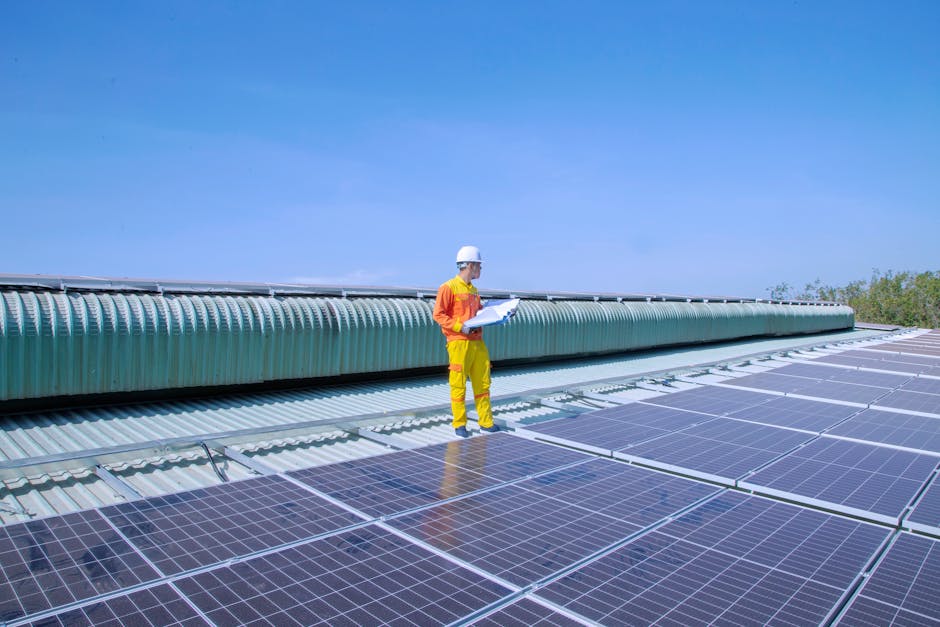
While you're handling the regular cleanings, every 5 to 10 years you should bring in a pro for a comprehensive system evaluation. They can check things you can't see, like how efficiently your panels are converting sunlight and whether your entire setup is still operating at its rated capacity.
This deep inspection catches issues that regular maintenance might miss and gives you peace of mind that your investment is in good shape.
How to Clean Your Panels Safely
If you're doing the cleaning yourself, keep it simple and gentle. Solar panels have tempered glass surfaces that can be damaged by harsh treatment.
- Use a soft brush or microfiber cloth.
- Use distilled or deionized water (regular tap water can leave mineral deposits in our desert climate).
- Never use high-pressure washers or abrasive scrubbers.
- Clean early in the morning or late in the afternoon when the glass is cool. Cleaning hot panels can damage the surface.
- Avoid commercial cleaning solutions unless the manufacturer specifically approves them.
If you're not comfortable on a ladder or working with electrical equipment nearby, professional cleaning is the safer choice. Time To Shine handles solar panel cleaning for homeowners across the Las Vegas Valley and knows exactly how to care for your system without risk.
Related: Professional Solar Panel Cleaning Service Las Vegas
Tracking Your Maintenance Schedule
The best way to stay on top of your solar panel maintenance is to put reminders on your calendar. Mark April or May for your spring cleaning, September or October for your fall cleaning, and set a monthly reminder to check your app.
You could also keep a simple log of when you cleaned, what the conditions were (was there visible debris?), and what your energy output was before and after. Over time, this log shows you patterns specific to your home and helps you fine-tune your cleaning schedule.
Some folks prefer to bundle their solar panel cleaning with their regular window cleaning. If that sounds appealing, Time To Shine can handle both jobs in one visit, keeping your entire home's glass in top shape.
Regional Factors in the Las Vegas Valley
Our specific location matters. Las Vegas, Summerlin, Henderson, North Las Vegas, and the surrounding areas all deal with similar desert conditions: low humidity, intense sun, occasional dust storms, and mineral-heavy tap water.
If you live in a particularly dusty area like Enterprise or near open desert space, you might find you need cleaning more often. If you're in a more sheltered spot like Seven Hills or parts of Summerlin, you might get away with less frequent maintenance. Your monitoring data will guide you.
The key is not to let perfect be the enemy of good. A consistent 6-month schedule, adjusted up or down based on what your system is actually showing you, beats sporadic random cleaning every time.
How do I know if my solar panels are dirty?
The easiest way is to check your monitoring app for a drop in energy production. You can also visually inspect them from the ground or a low ladder. If you see dust, bird droppings, leaves, or visible grime, they probably need cleaning. A thin film of dust might not be visible but could still affect output, so don't rely only on what you can see.
Can I clean solar panels with a regular garden hose?
Yes, a regular garden hose with cool water works fine. Avoid high pressure and never spray hot panels with cold water. Use distilled water if you can to avoid mineral deposits from our desert tap water. A soft brush or microfiber cloth can help with stubborn spots, but be gentle.
What happens if I don't clean my solar panels?
Dirt accumulation reduces the sunlight reaching your panel cells, which cuts into your energy output. In the Las Vegas Valley, dust and pollen can build up faster than in other regions. Over weeks and months, this adds up to real energy loss and means your system isn't paying for itself as efficiently as it should. Regular cleaning keeps you at peak performance.
Should I hire a professional or clean them myself?
It depends on your comfort level with heights and roof safety. DIY cleaning saves money if you're experienced with ladders and know how to handle your roof safely. Professional cleaning is faster, safer, and you know the job is done correctly. If you're in the Las Vegas Valley and want professional care, reach out to Time To Shine for a free quote on solar panel cleaning.